I understand art as an open field in which I move freely between different areas, whether film, photography, painting or literature. For me, these are not separate disciplines but different forms of expression of the same creative energy. What matters most is the flow, the moment in which something emerges without being controlled. Spontaneity is just as important to me as precise technical execution in post-production.
For me, flow also means being able to change or let go of ideas with ease, flexibility is part of my process. In photography I work with street photography, portraiture and elements of nature, but always from my own perspective. Beauty is not my goal. What interests me is a particular way of looking at existence, the moment when the photographed subject develops its own presence, as if it were perceiving itself.
THE FANTASTIC
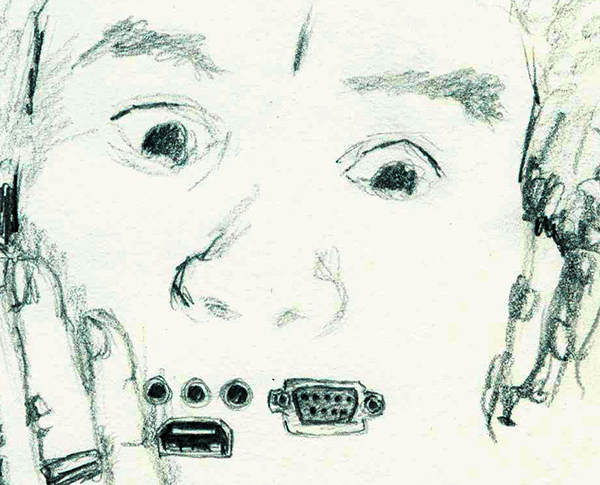
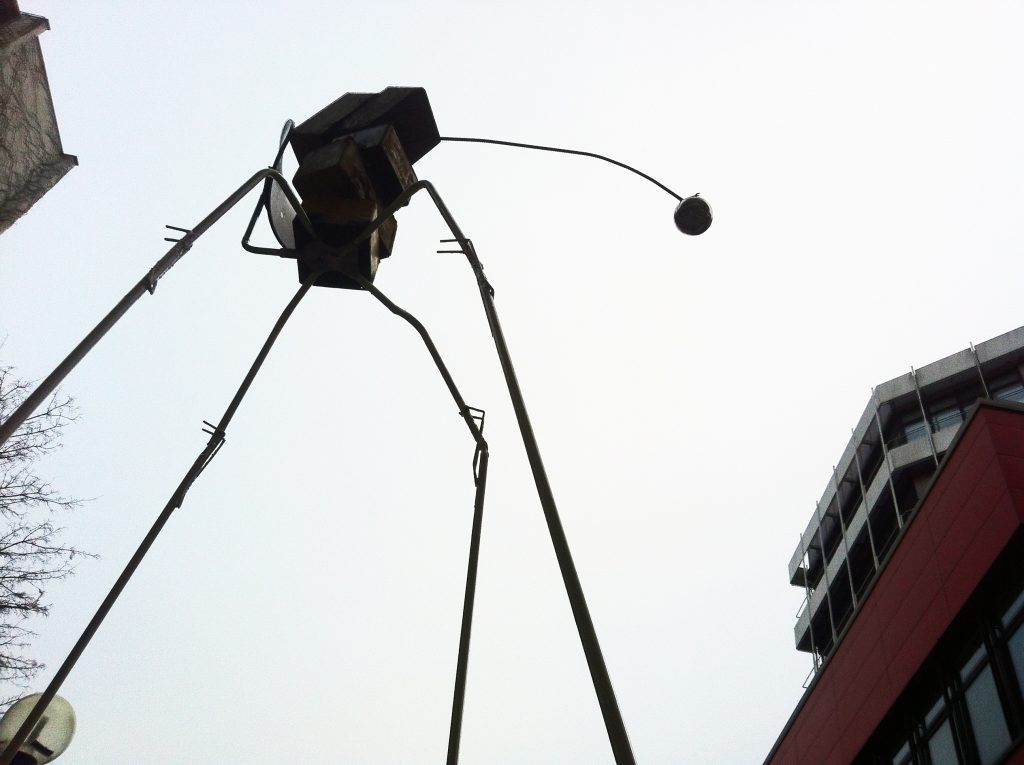
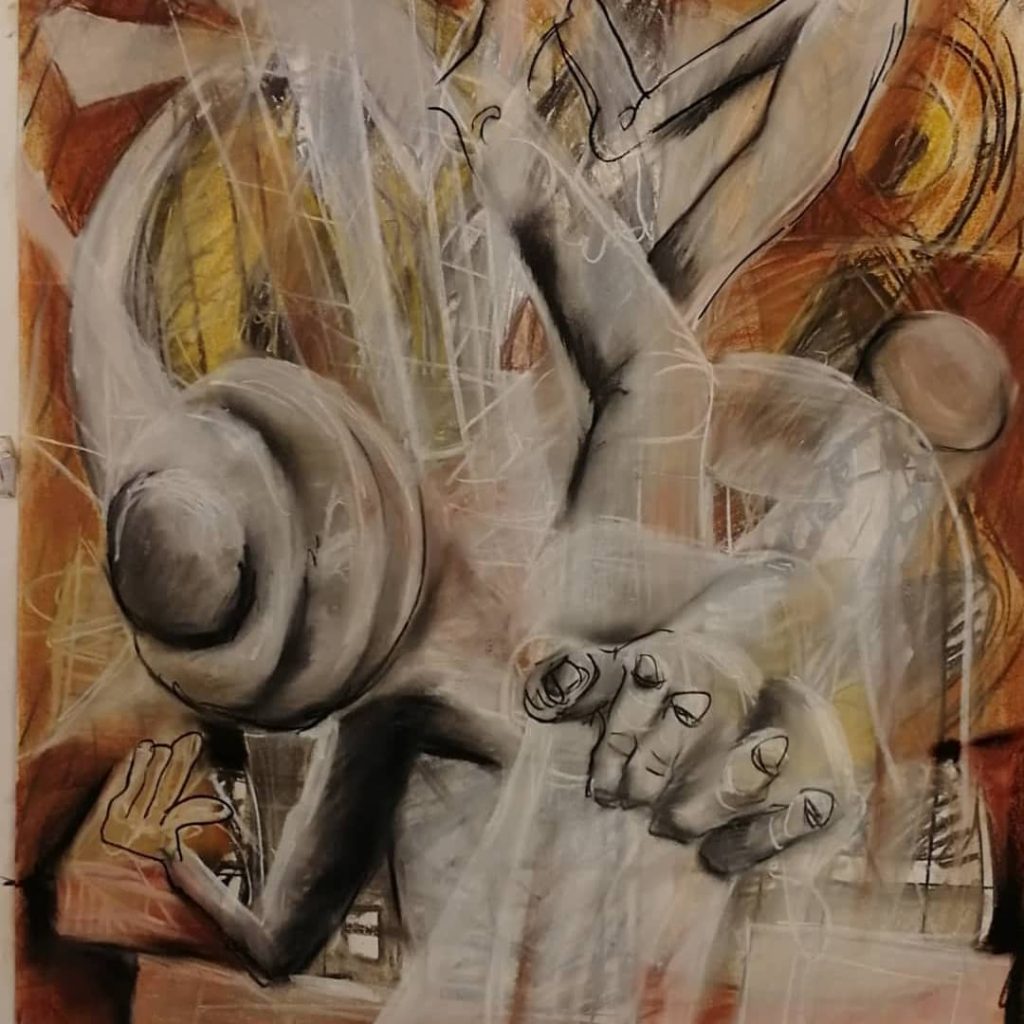
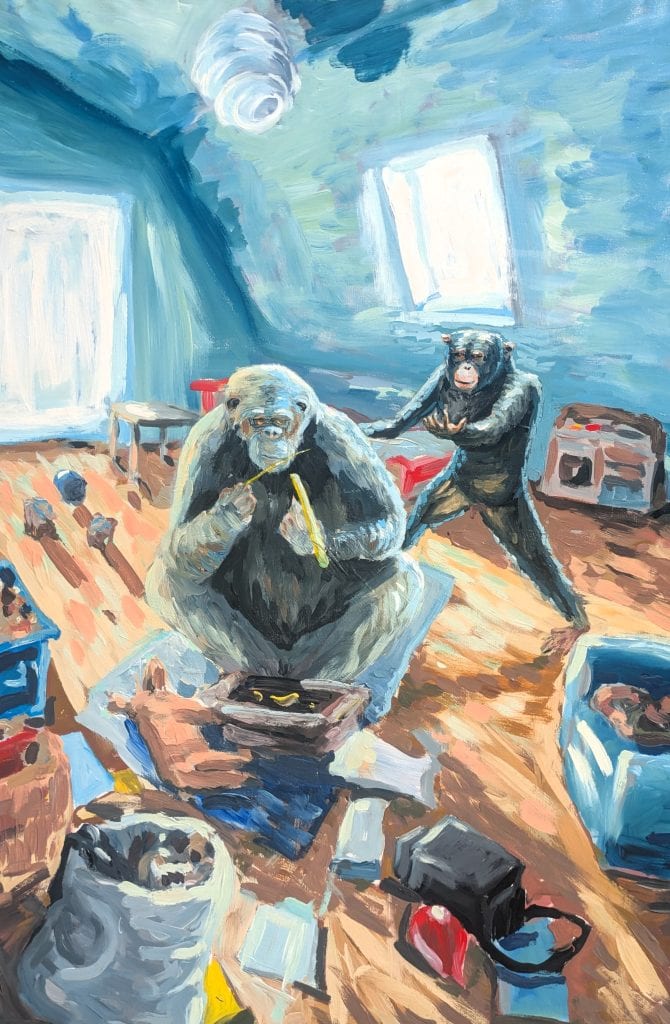
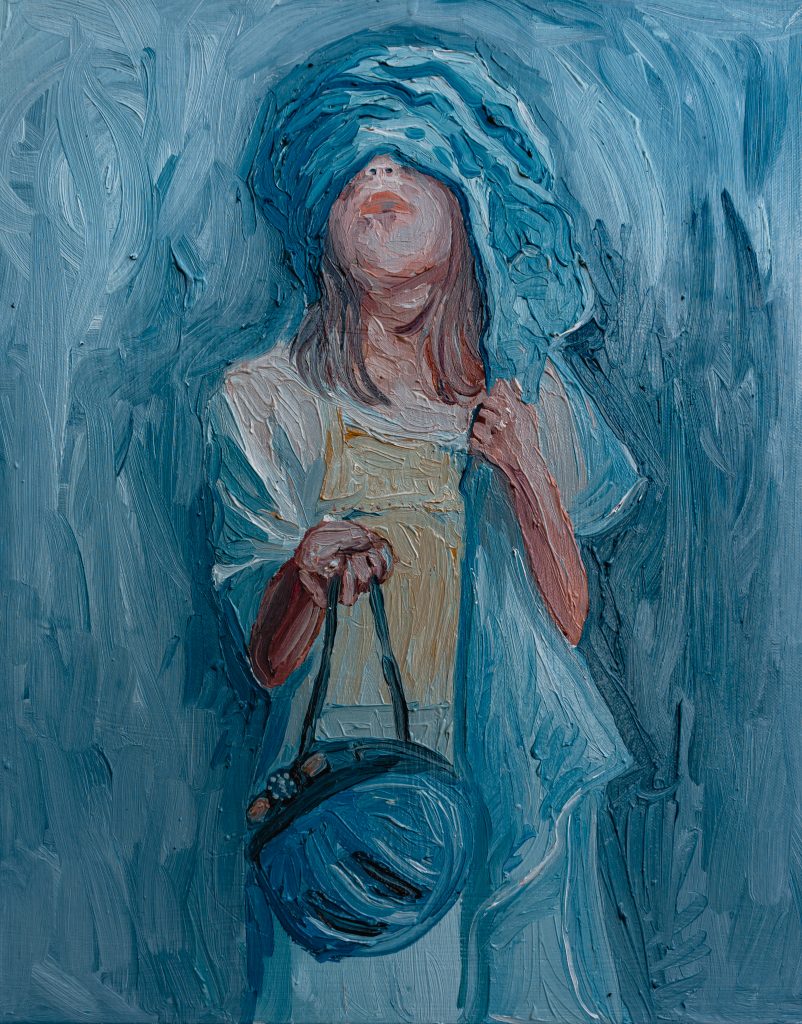
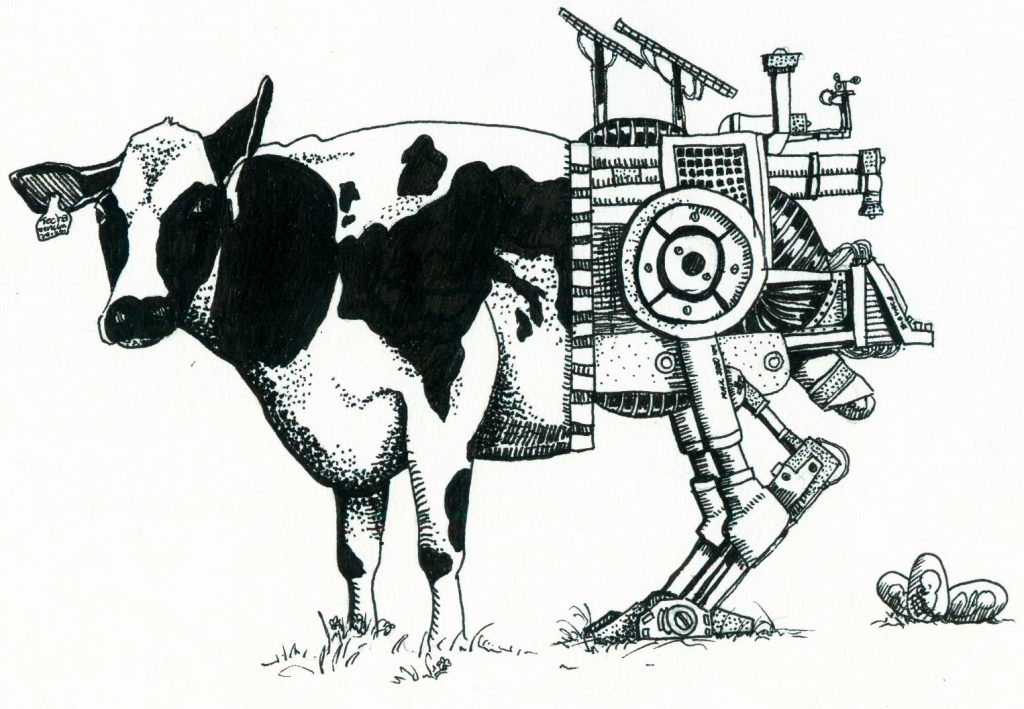
The fantastic runs like a red thread through the works of Jorge Ponce. His hyperrealistic style, both in drawing and in painting, isolates the phenomena of the world, rearranges them, and resemanticizes them in new contexts. Through this decontextualization, clear interpretations are made impossible from the outset.
At the same time, Jorge increasingly sought a more direct form of expression, which he found in the visual arts. Formally, the self-portrait dominates, often set in curious or unusual scenarios. Isolated eyes, torn from the face, gaze out from many of his canvases, as if the painter were constantly reflecting upon himself, the self mirrored in the fantastic.
The experience of living between two geographical continents, but also between two social ones, often appears in bizarre contrast. A development in the same spirit can be seen in the references to popular culture. The drawings in particular recall comic scenes or graffiti, and modern media reappear as an organic component of these works. He adopts the logic of the digital by reflecting fragments and visual quotations. At the same time, the crossing of genres is a defining feature of his work, and therefore it cannot easily be placed within traditional lineages. For Jorge Ponce, the engagement with virtual diversity is not a completed path, but an ongoing search.
Prof. Dr. Miriam Oesterreich, Institute for the History and Theory of Design, Berlin University of the Arts.
Photography
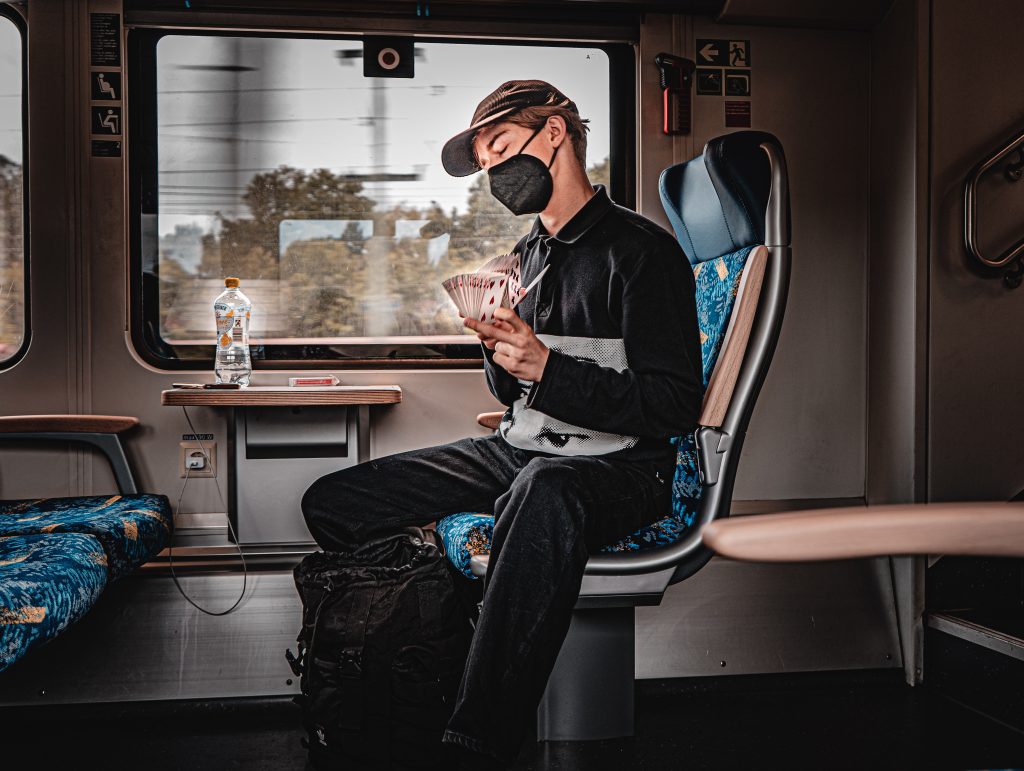
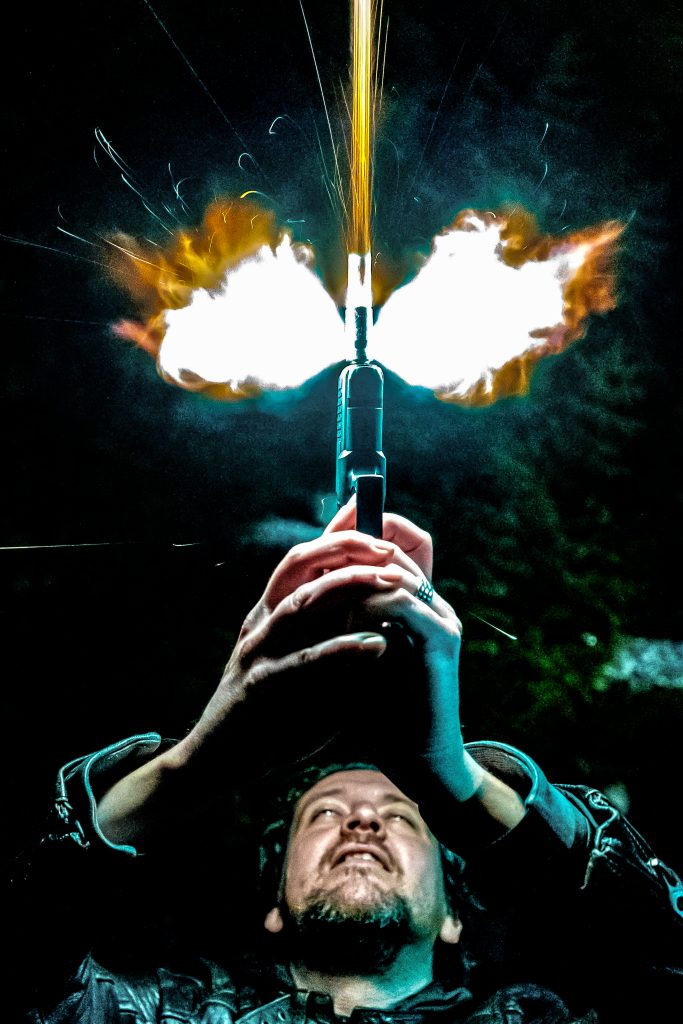
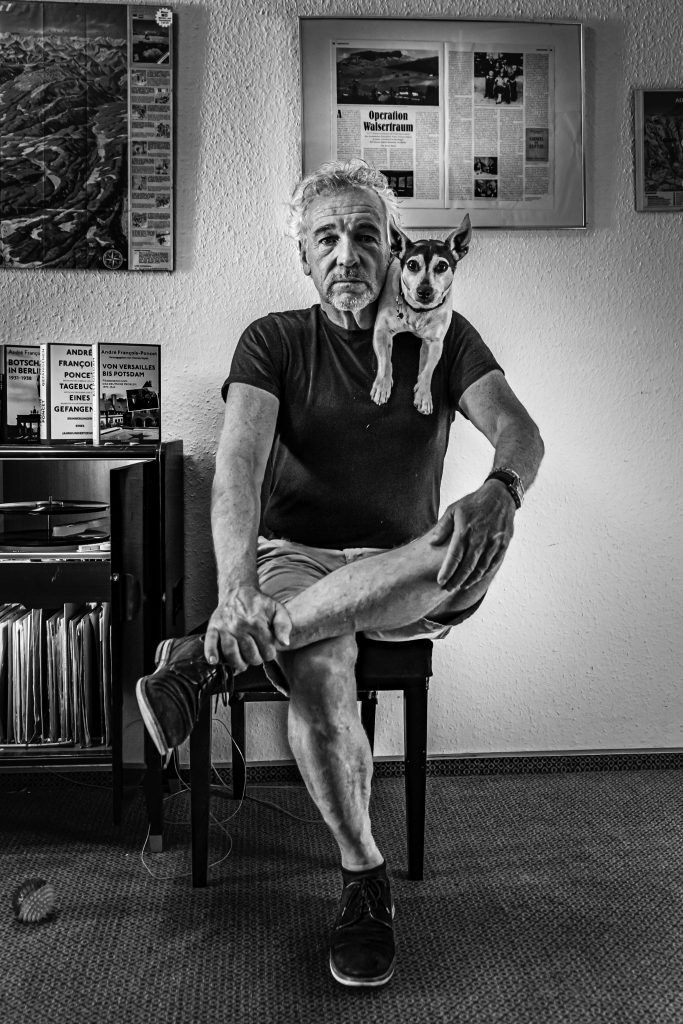
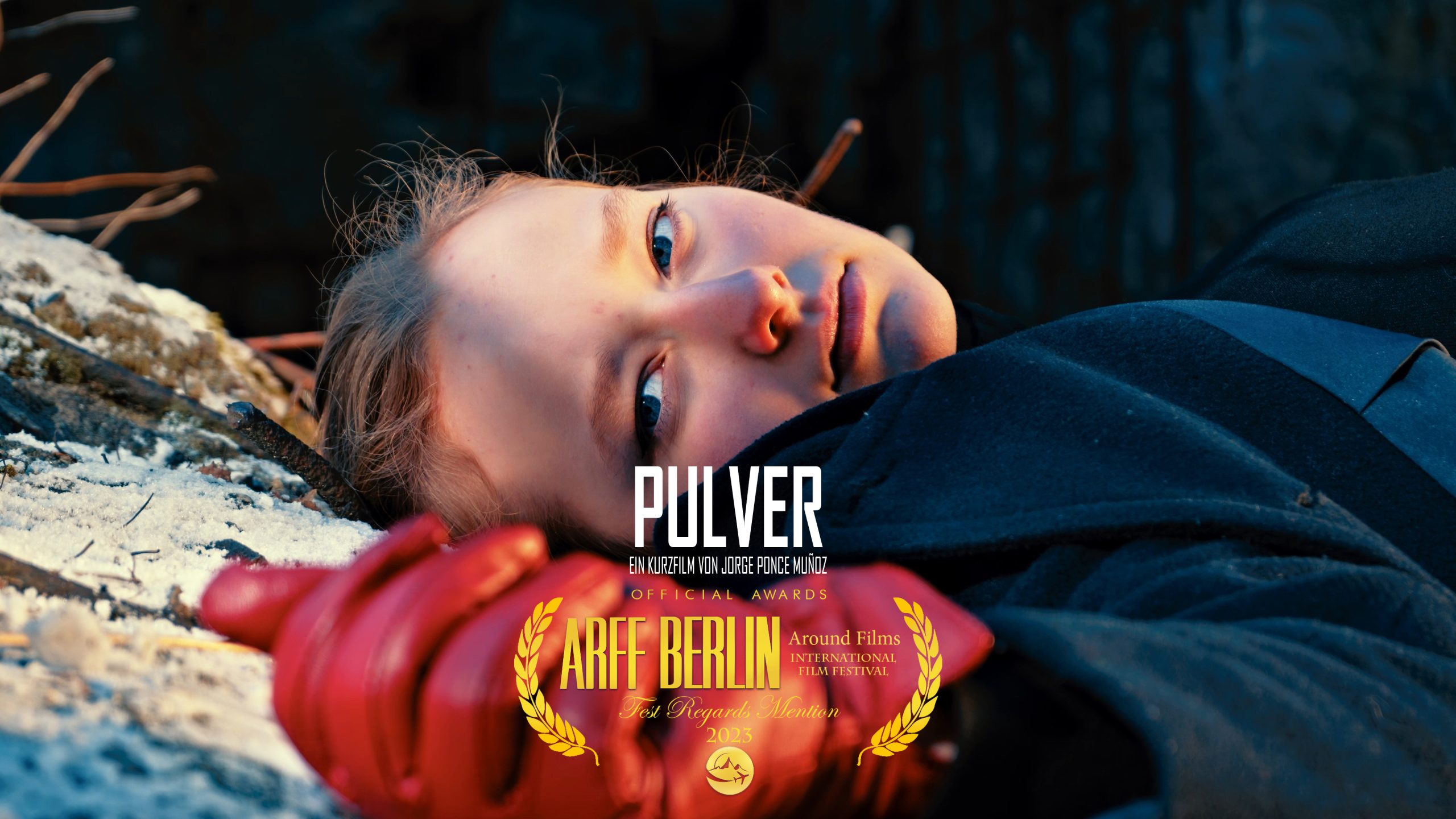
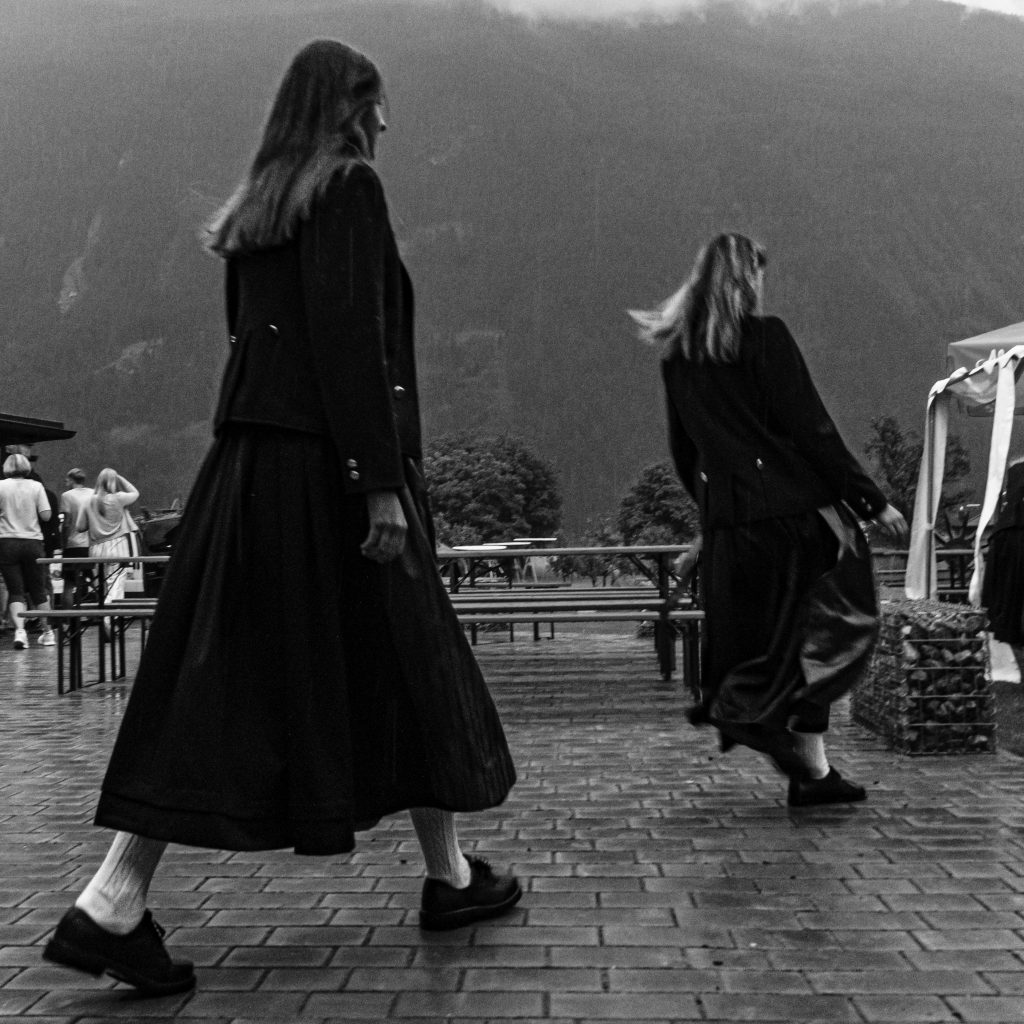
Here I present a collection of my best photographs, or at least those with which I was very satisfied. Not all of the images were consciously composed. Many were taken spontaneously, and thanks to my camera, the Sony A7 IV, I was able to react quickly. This collection includes photographs from different countries.
Short films
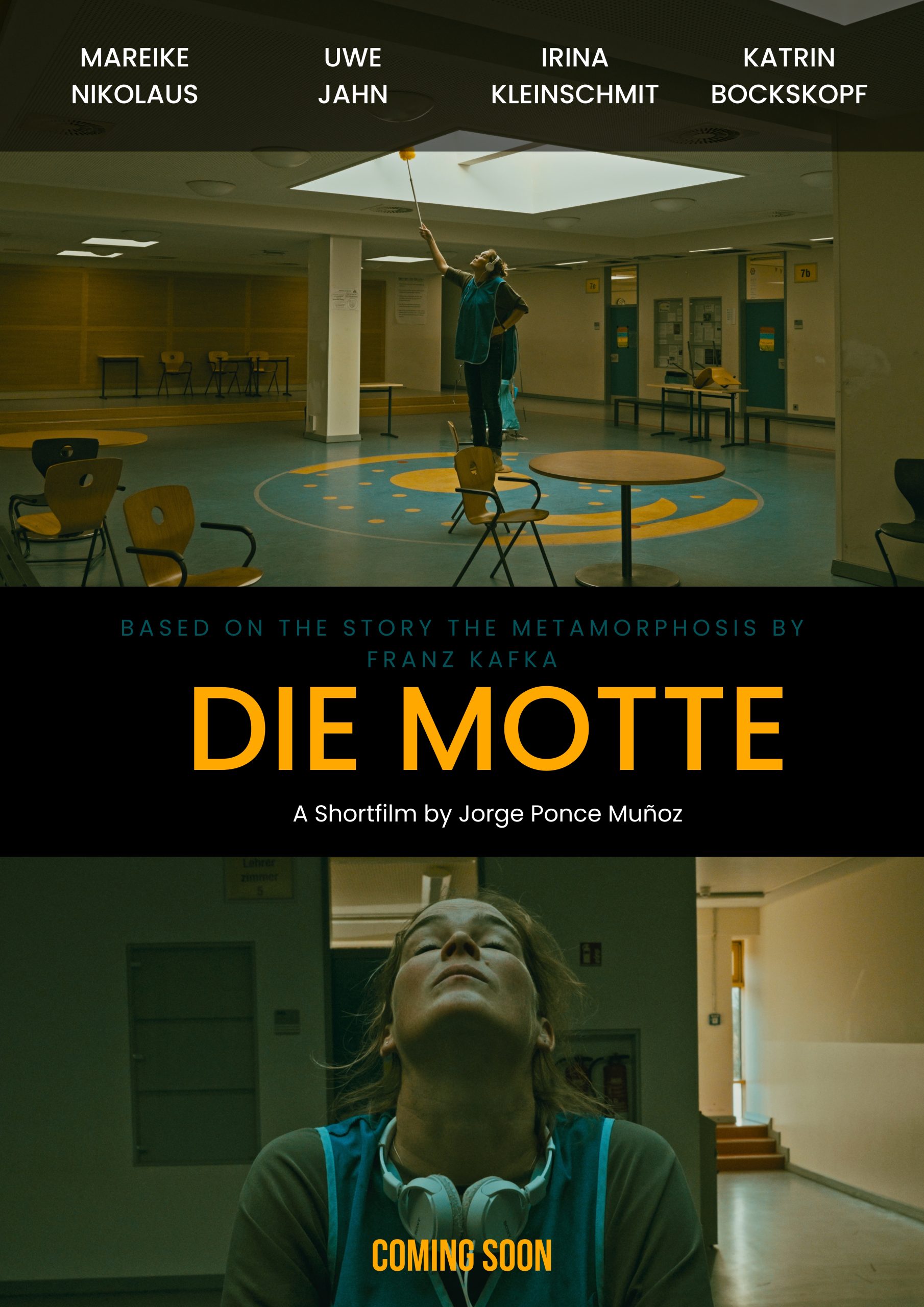
Die Motte, 2025
Die Motte is a story inspired by The Metamorphosis by Franz Kafka and portrays the feeling of being overwhelmed, of no longer being able to endure everything. Unlike in Kafka’s story, the insect longs for freedom.
The short film was screened at the Scala Cinema in Lüneburg and was selected for the 10th edition of Fixion Fest in Valparaíso, Chile, in April 2026. A presentation at Nolte’s old Roxy Cinema is also planned for February 2026.
Playlist
08:35
04:41
05:09
08:28
03:50
04:48
07:02
03:22
03:37
02:29
01:43
Interesting Projects
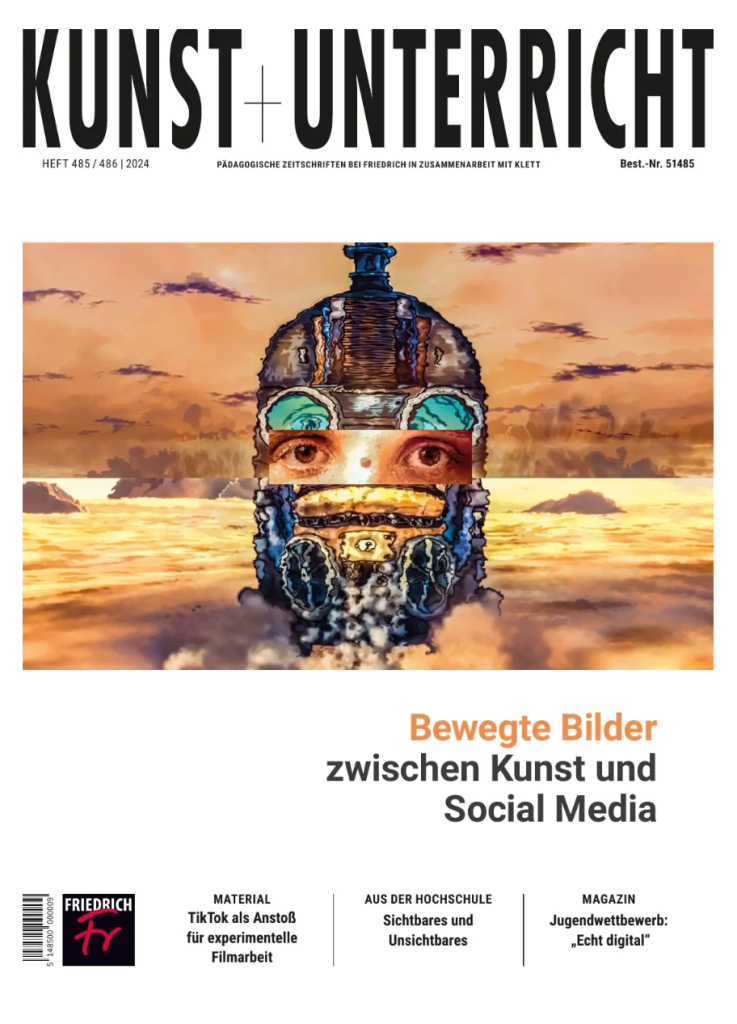
Cover of the magazine Kunst + Unterricht, September 2024 issue, Friedrich Verlag
The collage by the German-Chilean artist Jorge Armando Ponce Muñoz consists of image fragments from his artistic animation film BIOMASA. The film is set in a future in which humans have almost abandoned their original physicality. In BIOMASA, the human becomes a cyborg, in art often a being with utopian potential, while in popular culture it is more often read as dystopian. The work raises philosophical, ethical, and anthropological questions about the relationship between humans and technology, particularly human-technology connections and the limits of self-optimization.
Gesine Hopstein
University of Cologne, Institute of Art and Art Theory
News
© All Rights Reserved.